

KARACHI: The United States is heading towards one of its most consequential midterm elections in recent years, with President Donald Trump's Republican Party facing a serious challenge from Democrats seeking to regain control of Congress in Tuesday's November 3 vote. With only three days remaining before polling, opinion surveys and electoral forecasts suggest that Democrats are strongly positioned to capture the House of Representatives, while control of the Senate remains fiercely contested. The outcome could significantly influence President Trump's legislative agenda, domestic policies and international strategy during the remaining two years of his presidency. Republicans currently hold a narrow majority in the 435-member House of Representatives and a 53-47 advantage in the Senate. All House seats and 35 Senate seats are being contested, alongside 36 gubernatorial elections across the country. Recent electoral assessments indicate growing Democratic momentum. An analysis of election ratings reported by The Wall Street Journal projected Democrats winning approximately 224 House seats, exceeding the 218 required for a majority. However, several closely contested constituencies could still determine the ultimate balance of power. The latest election forecasts also highlight uncertainty surrounding the Senate, where Democrats must overcome the Republicans' existing advantage. Competitive races in several states could decide whether Democrats secure sufficient gains to take control or Republicans retain their majority. Public dissatisfaction with President Trump's performance has emerged as a major concern for Republican candidates. A Reuters/Ipsos survey conducted in October placed the president's approval rating at 31 percent, reflecting widespread dissatisfaction with his administration's handling of major national issues. Economic concerns dominate the campaign, with rising living costs, housing expenses, healthcare, energy prices and household financial pressures influencing voters across party lines. Democratic candidates have concentrated their campaigns on affordability and the economic consequences of the administration's policies, arguing that ordinary Americans continue to struggle despite official claims of economic improvement. Republicans, meanwhile, are defending the administration's economic programme, stricter immigration enforcement and national security policies, urging voters to maintain congressional support for President Trump's agenda. Foreign policy has also become an unusually prominent electoral issue. The conflict involving Iran, continuing Middle Eastern instability and Washington's relationship with Israel have generated concern among voters over the human and financial consequences of international military commitments. Political observers believe that dissatisfaction over foreign engagements, combined with domestic economic pressures, could influence independent voters in closely contested congressional districts. Early voting has also attracted substantial participation. According to Reuters, more than 51 million Americans had already cast their ballots by Saturday, underlining the intensity of public interest in the elections. Analysts say the elections represent a crucial test of President Trump's political standing. Should Democrats capture the House, the administration could face increased congressional investigations, tighter oversight of executive decisions and greater resistance to its legislative priorities. A Democratic-controlled House could also complicate Republican efforts to advance policies involving taxation, immigration, federal spending and regulatory reforms. However, if Republicans succeed in retaining both chambers, the result would strengthen President Trump's position and provide renewed political momentum for his administration ahead of the 2028 presidential election. The prospect of divided congressional control remains another possibility, with Democrats potentially capturing the House while Republicans preserve their Senate majority. Such an outcome could create legislative gridlock and intensify political confrontation in Washington. The international community is also closely monitoring the elections because changes in congressional leadership could influence American foreign policy, trade relations, defence spending and diplomatic engagement. For Pakistan and other South Asian countries, the results could affect the broader political environment surrounding Washington's relations with Islamabad, its strategic competition with China and its approach towards regional security. Nevertheless, analysts caution that American foreign policy remains substantially influenced by presidential executive authority, meaning congressional changes would not necessarily produce immediate diplomatic shifts. Historically, the political party controlling the White House has frequently suffered electoral setbacks during midterm elections. However, voter turnout, local campaign dynamics and last-minute shifts in public opinion could still influence the final outcome. With Democrats enjoying an advantage in several national polling assessments, the most widely anticipated outcome is a change in House leadership, although Republicans continue to challenge Democratic candidates in key battleground districts. The Senate contest appears less predictable, with competing forecasts presenting different possibilities for control of the chamber. As campaigning enters its final stage, both parties are intensifying efforts to mobilise supporters and persuade undecided voters. The November 3 verdict will determine whether President Trump continues to govern with Republican congressional backing or faces a newly empowered Democratic opposition capable of challenging his administration throughout the remainder of his term. For millions of Americans, the election will ultimately serve as a judgment on economic security, political leadership, national priorities and the future direction of the United States.
Democrats eye congressional comeback as US midterm elections approach


Related topics
Link to or cite this article
Quoting this story on your website, blog or LinkedIn? Please link back to it.
Read next
National
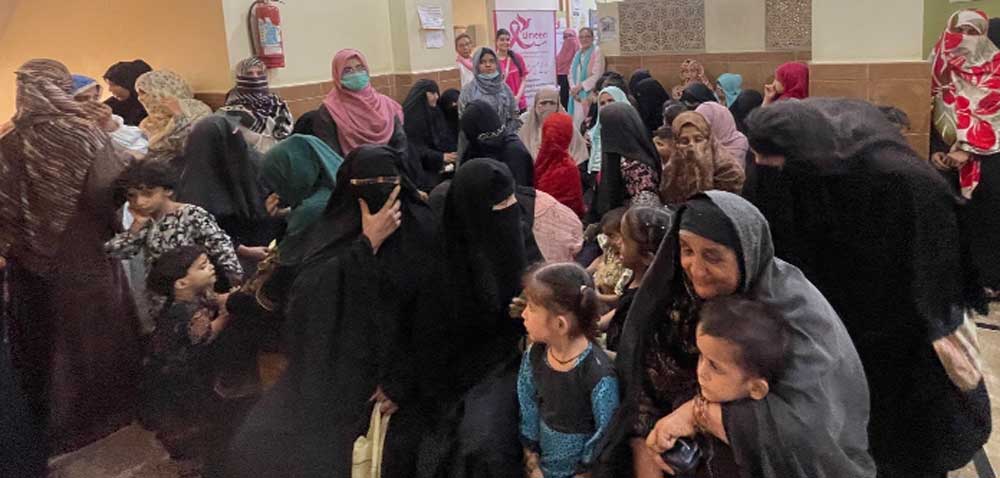
From Clinic to Community: Umeed by LADIESFUND Reaches 100 Women at SINA Baldia Ittehad Town
National
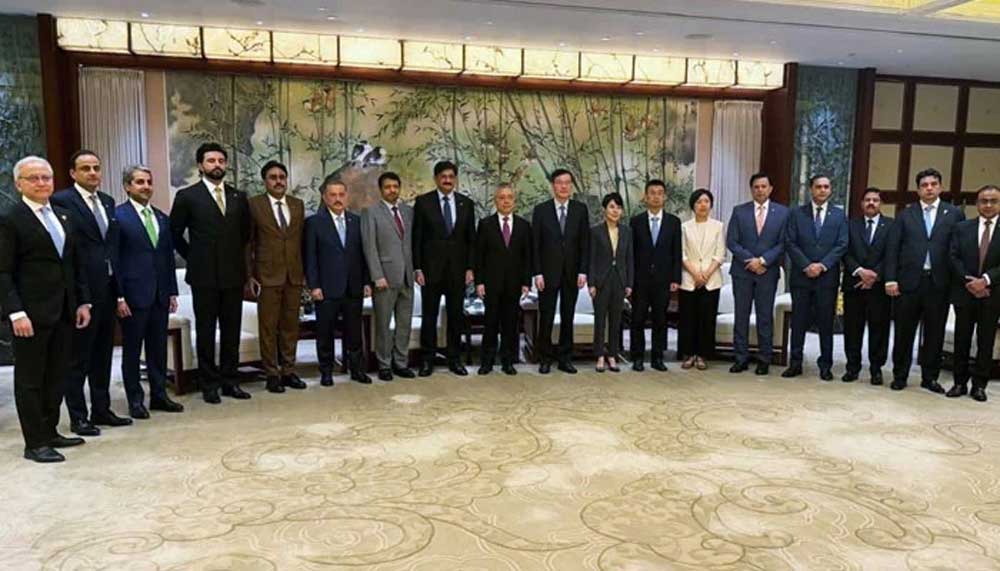
Sindh's China Vision - From Visit to Transformation

National
The Strategic Crossroads : An Interview with Shahzad Arif
National
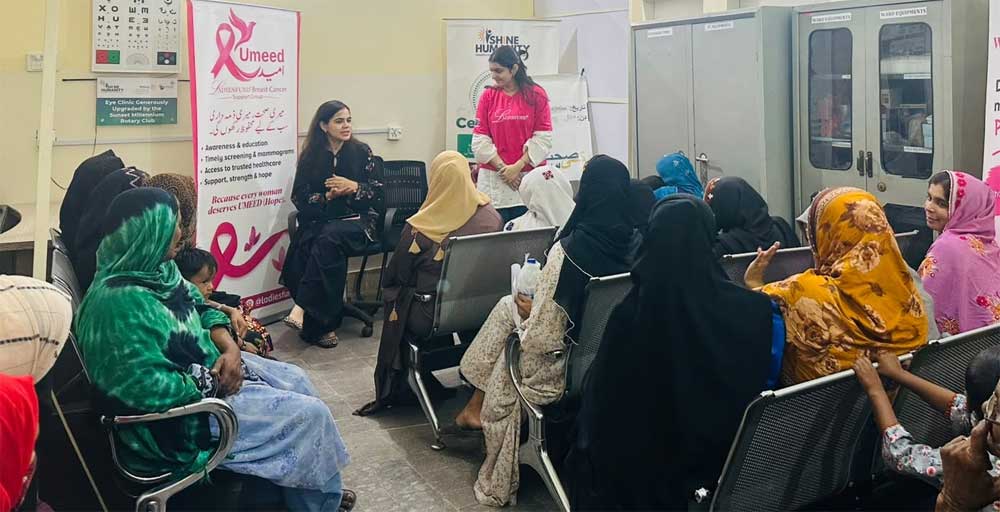
Umeed by LADIESFUND brings breast cancer awareness to 70 women in rural Gharo, Sindh, through SHINE Humanity partnership

National
Mustafa Kamal’s life is a crisis explores growth,resilience and self-awareness

National